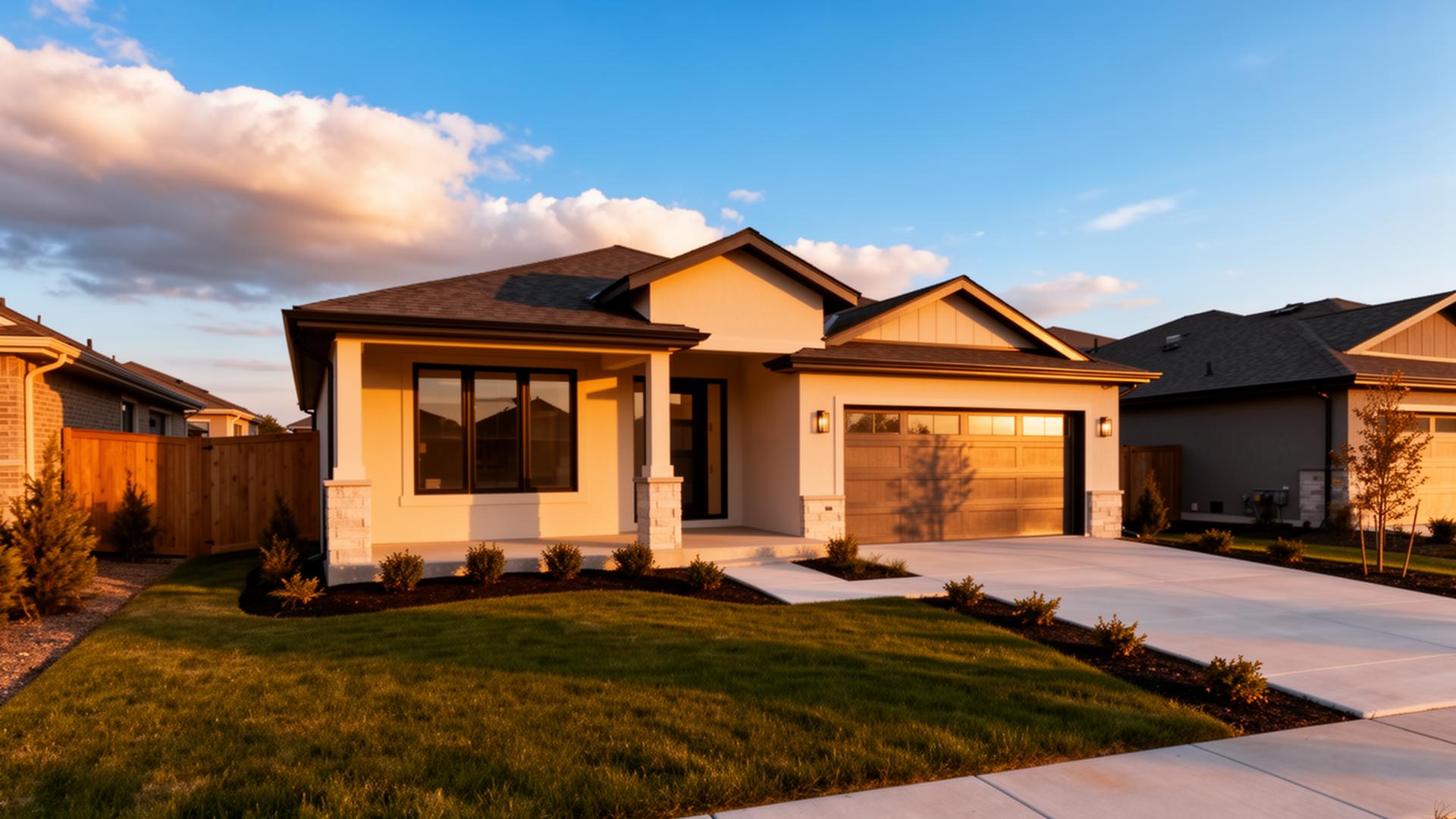
Websites & marketing
Property and community websites, listings, and marketing that turn distinctive benefits into reasons to tour and apply.
Property management. With someone in your corner.
Northpoint manages single-family rentals, small multifamily properties, and build-to-rent communities—with local teams doing the work and an Owner Concierge Desk following your questions through to resolution.
Self-managing, starting out, or ready to switch? Start with a conversation. No commitment to hire us.
What our clients say
“I cannot express what a wonderful job the team did with the rental process and the constant communication.”
“We've been using Northpoint for over three years for our properties in Texas. We love working with their team.”
“Best property manager I've worked with. Transparent reporting and zero surprises.”
We’re owner-obsessed. Your income, your property, and your time guide our decisions. Different properties need different approaches. When owners win, we win long term.

One home or a scattered portfolio. Leasing, resident support, and upkeep built around your income, your property, and your time.
Explore single-family managementTypically 85 units or fewer. We take on the hard projects—coordinating leasing, turns, and maintenance for properties too small to support a full on-site team.
Explore small multifamily managementNot horizontal apartments. Not scattered-site SFR. We market each home around how renters actually search, compare, and choose—with space, privacy, and everyday benefits leading the story.
Explore BTR managementYour Owner Concierge Desk
Unanswered questions and unclear updates are recurring frustrations in property management. In 2026, we created a dedicated Owner Concierge Desk to address that problem.
Your property manager handles the work. Your Concierge team helps you get answers, understand where things stand, and follows your question through to resolution.
One place to start when you need clarity.
The desk connects with the people handling the work.
Your question stays in view through the resolution.
Full-service property management
Marketing, leasing, rent collection, maintenance, and reporting shouldn’t operate in isolation. Our local teams bring them together around a management plan for your property—with visibility into the work, the decisions, and the results.
Tell us what you need to work better at your property.

Property and community websites, listings, and marketing that turn distinctive benefits into reasons to tour and apply.
Pricing, screening, and lease preparation for individual vacancies, unit turns, and community lease-ups.
Payments, reminders, and documented follow-up under the lease terms.
Repair requests, vendors, and work orders—with visibility into status and cost.
Monthly statements, year-end reporting, and portal access to your financials and property records.
Your local team understands the market around your property. Behind them: national accounting support, specialized talent, and a deeper bench of experienced people—so local knowledge is backed by resources beyond a single office.
September 2026 snapshot for Charlotte, NC
Middle age of 3,955 active single-family listings in Parcl metro: Charlotte-Concord-Gastonia, NC-SC; captured Sep 28, 2026. Not time to lease.
Parcl renter-index listing population in Parcl metro: Charlotte-Concord-Gastonia, NC-SC. As of Sep 30, 2026.
Median asking rent
$2,100per month
September 2026 · Sample: 2,193 new listings
Parcl metro: Charlotte-Concord-Gastonia, NC-SC. Single-family homes and townhomes; advertised asks, not completed lease rents.
Source: Parcl property events; Northpoint aggregation. As of Sep 30, 2026.
The Motivated Renter Index is Parcl’s 0–10 measure of how motivated landlords and property managers are to lease their listed rentals. Total listings counts the rentals in the dated index snapshot shown above.
Median days on market comes from a separate captured inventory of active single-family rentals. Northpoint calculates each listing’s age from its latest listed-for-rent event, then takes the median. This is not time to a signed lease or a median of the broader index population.
Median asking rent uses a September 2026 sample of newly listed single-family homes and townhomes. These three populations should not be combined into one listing count.
Data sources: Parcl and Northpoint Market Intelligence.
Asking rent: September 2026 · Renter index: Sep 30, 2026 · Active single-family listing age: Sep 28, 2026
Estimate rent using your property’s ZIP code and details—not just the market selected above.
Market context is a starting point. Talk through your property, your competition, and the decisions ahead.
Start with the questions that affect your property, your costs, and the handoff.
Yes. An occupied property can transition to a new manager. First review your agreement and notice requirements, then plan the transfer of records, rent collection, resident communication, and open repairs.
Explore the management-plan processStart with the outcomes you need: net income, vacancy, repair and turn costs, and property condition. Ask for evidence from comparable properties over a stated period. Weigh the full fees against the work and results—not the percentage alone.
Explore our owner-focused approachNorthpoint coordinates maintenance requests and documents work orders. Use your portal for records and the Owner Concierge Desk for questions about status or cost. Approval limits and emergency procedures belong in your management agreement.
Explore maintenance and management servicesYes. Northpoint works with out-of-market owners through local teams, monthly statements, and portal access to property records. Start with the team serving your market and the support you need.
See how we support rental ownersTell us what’s working, what’s frustrating, and what you need next. We’ll talk it through, then prepare a management plan for a second conversation.
A conversation first. The decision stays yours.